
The Development of Attention
Explains how attention develops in early childhood and why it is foundational for learning, self-control, and language growth. It also provides families with simple, research-supported activities they can use at home to help children build stronger focus and listening skills.
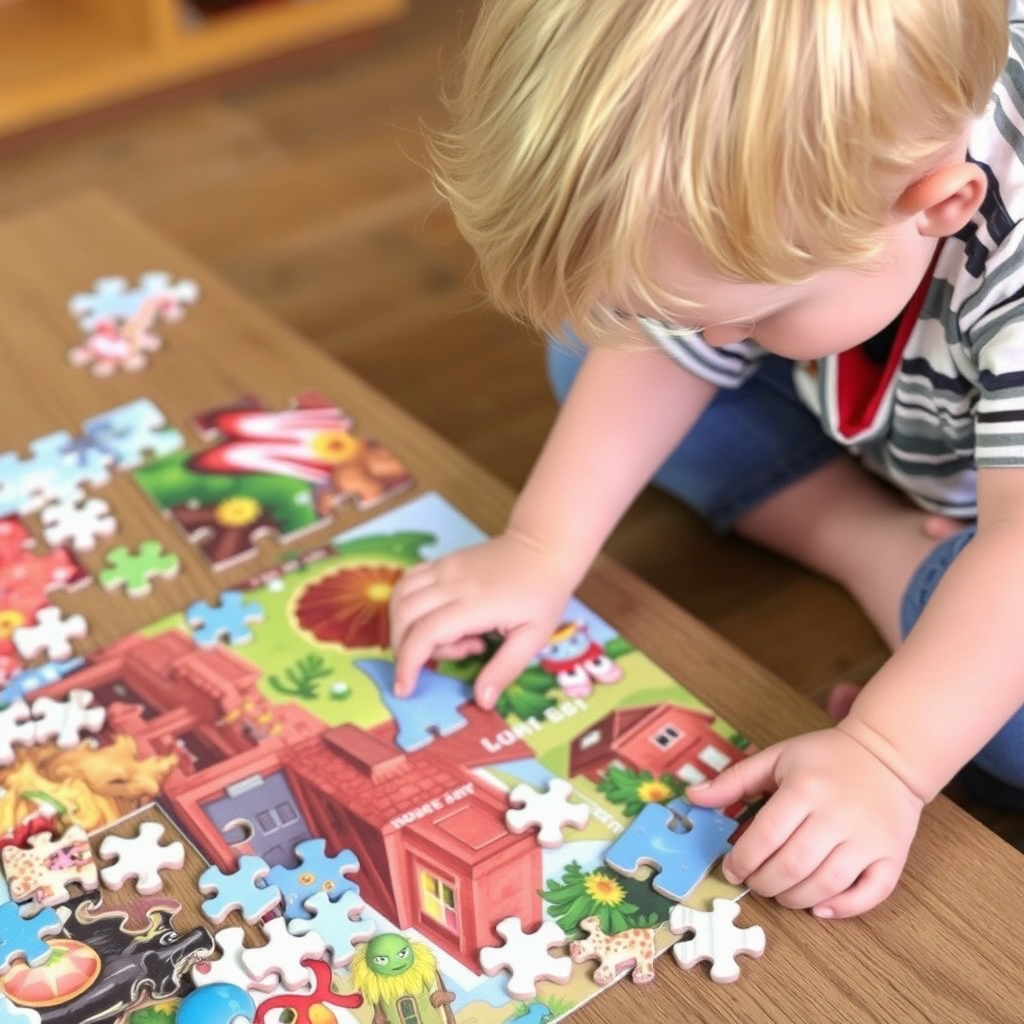
Working Memory in Early Childhood
Working memory allows children to hold and use information in real time, supporting learning, routines, and problem-solving. Research shows that working memory grows with age, improves through positive caregiver interactions, and can be strengthened through short, targeted activities.

Flexible Thinking and Cognitive Shifting
Flexible thinking refers to a child's ability to adjust to new situations, switch tasks, and understand multiple viewpoints, which is important for problem-solving, emotional regulation, and success in school environments. Caregivers learn how to build these skills through simple activities and daily interactions that encourage children to practice adapting, shifting attention, and trying new approaches.

Self-Control and Emotional Regulation
Self-control and emotional regulation help children manage impulses, handle frustration, and respond to challenges in healthy ways, which is essential for learning and social interactions. Caregivers learn simple routines, games, and calming techniques that strengthen these skills through everyday practice and supportive guidance.