Workshop Information
Our workshops offer tailored activities where children build key developmental skills through play and caregivers gain practical tools to nurture growth at home.
At each workshop, we start by splitting up the kids based on their developmental state, roughly into groups aged 1-2, 2-3, and 3-6.
- For the kids 1-3, due to a short attention span, we administer stations that allow them to choose an activity that most interests them, rotating through activities like Jenga, Paper Creativity, Crayon scribbling, and more.
- For the kids 3-6, we guide the kids and caretakers through hands-on activities like Simon Says, Freeze Dance, and more.
Throughout the session, we offer caretakers the reasoning behind each activity in order to deepen their own awareness about what they can do to support development. With detailed observation sheets based on the CDC milestones and a variety of plausible take-home activities, we hope that caretakers feel more confident about supporting their child's development and are inspired to try out some of our activities outside of the workshop.
Workshop Creation
At Ready to Grow, our workshops are carefully designed to support children's cognitive, social, emotional, and physical development while engaging both children and their caregivers. We begin by identifying the age group and specific skill goals, guided by research-backed developmental milestones, and create activities paired with practical resources like pamphlets and online materials to reinforce learning at home. Each workshop is thoughtfully structured to be accessible, creative, and proactive, and we continuously research, test, and refine our approaches using the latest developmental research and family feedback. This iterative process ensures that every session becomes increasingly effective, leaving families with meaningful tools to support their child's growth.
Workshop Development Process
Step 1: Research
The Resource Development Department conducts thorough research on developmental milestones, evidence-based practices, and culturally relevant strategies to ensure each workshop is grounded in the latest scientific understanding. This research informs the skills and activities targeted for each age group, helping the team create sessions that are both effective and meaningful for children and caregivers.
Step 2: Creation
The Workshop Planning Department designs the structure and activities of each workshop, translating research into engaging, age-appropriate experiences. Draft workshops are reviewed and refined collaboratively by team members and Executive leadership to ensure clarity, accessibility, and maximum impact, while aligning with Ready to Grow's mission and values.
Step 3: Design
Once the workshop is finalized, the Resource Development Department creates visually engaging, accessible materials, such as pamphlets and online resources, to complement the session. These resources provide families with clear, practical guidance they can use at home, reinforcing learning and supporting ongoing development in a way that is culturally sensitive and easy to implement.
Workshop Rotation
Each workshop focuses on a different developmental category: cognitive, social, emotional, and physical. We recognize that early childhood development is multifaceted; this focused approach allows us to provide targeted, balanced support for each area of development in a child, without overwhelming children and caretakers with various objectives in a single session.

Emotional Workshop
This workshop features five interactive stations designed to help children recognize, express, and manage emotions through play, storytelling, and creative activities. Each station targets specific emotional skills like empathy, self-regulation, and emotional vocabulary, using age-appropriate methods for ages 1–6. Materials include books, puppets, art supplies, calm-down tools, and matching games, though some items like yoga cards or emotion bingo sets may need sourcing or adaptation.
Building Speech & Vocabulary Workshop
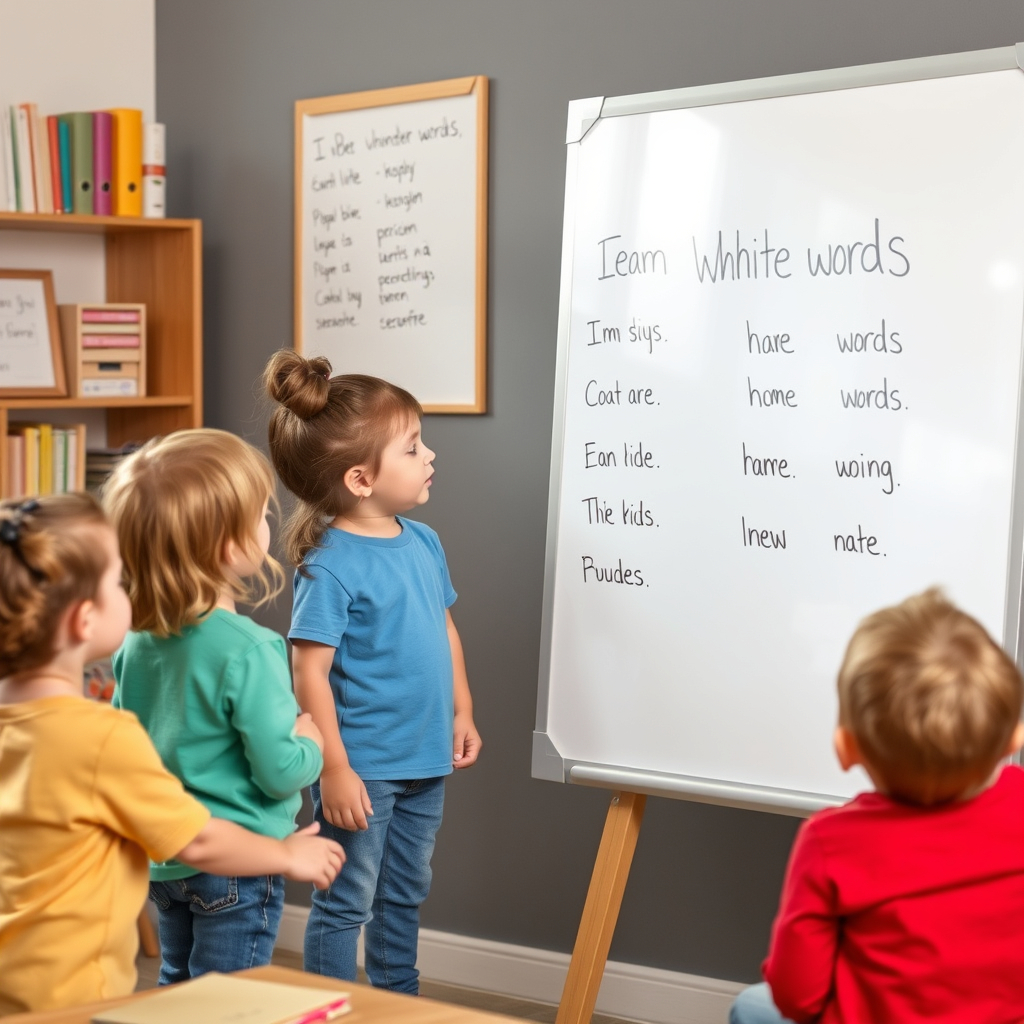
This parent-child workshop focuses on supporting early speech and language development through interactive, age-based activities for children ages 1–6. Each group participates in tailored games, songs, and story-based exercises that strengthen vocabulary, communication, and listening skills while encouraging parent involvement. The program emphasizes play-based learning and milestone awareness, helping families support language growth naturally at home.

Cognitive Development Workshop
This workshop guides caregivers in supporting children's thinking, memory, and problem-solving skills through fun, everyday activities and play. Age-appropriate exercises encourage curiosity, exploration, and early brain development. Families leave with practical strategies to nurture cognitive growth at home.